Elevate Your Moving Experience with Decluttering
Introduction
Moving doesn't have to be a chaotic slog of boxes, last-minute decisions, and unnecessary expense. The single most powerful lever you can pull to transform your relocation is simple: decluttering. When you strategically streamline your possessions before you pack, you cut costs, reduce stress, and set yourself up for a calmer, faster, and more enjoyable moving day. This guide shows you how to elevate your moving experience with decluttering--step by step, backed by best practices, and aligned with UK regulations where applicable.
Professional move coordinators consistently see the same pattern: the most successful moves are not just about booking a good removals team--they're about making fewer, smarter choices about what travels with you. From responsibly disposing of electronics to deciding what to donate, sell, or keep, this comprehensive guide will help you plan, act, and move with confidence.
Below you'll find detailed steps, expert tips, a real-world case study, and an actionable checklist to help you declutter effectively and avoid common pitfalls. Whether you're moving across town or across the country, you can elevate your moving experience with decluttering and start life at your new place with intention.
Table of Contents
- Why This Topic Matters
- Key Benefits
- Step-by-Step Guidance
- Expert Tips
- Common Mistakes to Avoid
- Case Study or Real-World Example
- Tools, Resources & Recommendations
- Law, Compliance or Industry Standards (UK-focused)
- Checklist
- Conclusion with CTA
- FAQ
Why This Topic Matters
Moving is consistently ranked among life's most stressful events. Research observing households has linked visual clutter with increased stress and decision fatigue. When you move with excess, every step--from packing to loading to unpacking--takes longer and costs more. Conversely, when you declutter before moving, you create a streamlined inventory, make smarter packing choices, and begin your next chapter with clarity.
For families, decluttering is essential to prevent scope creep: more rooms, more drawers, more costs. For professionals juggling tight schedules, it's the difference between a two-trip move and a single efficient run. For downsizers, decluttering is crucial to ensure your new home matches your lifestyle today--not the storage needs of your past. In short, to truly elevate your moving experience with decluttering, you must treat the pre-move edit as a core project, not a side task.
There's also a safety and logistics angle. Fewer items mean fewer boxes, fewer lifts, and reduced risk of injury. Certain items--chemicals, paints, or large instruments--require special rules or handling. Understanding these constraints early protects people, property, and your budget.
Key Benefits
Decluttering before you move isn't about minimalism for its own sake; it's about maximizing the value and comfort of your move. Here are the benefits you'll notice immediately:
- Lower moving costs: Most removal services base pricing on volume, weight, time, or a combination. Fewer items equals fewer labour hours and potentially a smaller vehicle.
- Faster packing and unpacking: A curated inventory is easier to protect, pack, label, and set up at your new home.
- Less stress and decision fatigue: You'll make key decisions once, before the rush, not on moving day when deadlines loom.
- Safer move: Fewer boxes and less cluttered pathways mean reduced risk of trips and strains. Items left are typically the ones you use and value, so you're more motivated to pack them properly.
- Financial upside from selling: High-quality items can be sold to offset moving costs. Timely sales can fund packing materials or part of your removals fee.
- Environmental benefits: Responsible donation and recycling keeps waste out of landfill and supports local communities.
- Space planning advantage: With a leaner inventory, you can plan furniture layouts and storage in the new home more accurately.
- Clean slate effect: Arriving with only what you love and use transforms the feel of your new space from day one.
Step-by-Step Guidance
Follow this structured process to elevate your moving experience with decluttering in a way that's realistic and robust.
1) Establish Your Timeline and Scope
- Start early: Begin 6-8 weeks before moving day for typical homes; 10-12 weeks if you're downsizing or have a garage/loft.
- Define zones: Tackle your home by category or room: clothing, books, paperwork, kitchen, bathroom, garage, loft, kids' toys, decor, electronics, and furniture.
- Set a daily/weekly schedule: For example, 45-90 minutes per day, or two 3-hour sessions per week.
2) Inventory and Categorize
- Room-by-room sweep: Gather everything from a single category into one place when possible (e.g., all coats or all baking tools). Seeing the full volume sharpens decisions.
- Four-way sorting: Use labeled bins or areas for Keep, Sell, Donate, Recycle/Dispose.
- Condition check: Assess functionality and state. Broken or expired items rarely deserve box space.
- Measure furniture: Verify large items fit doorways and the new property's rooms. If the new space can't accommodate it, consider selling or donating.
3) Make Confident Decisions
- Utility test: Have you used it in the last 6-12 months? Seasonal exemptions apply, but be honest.
- Cost of keeping vs. replacing: Consider the cost to move, store, and maintain versus the cost to rebuy later.
- Sentimental strategy: Keep the best-of-the-best, photograph the rest. For heirlooms, choose representative pieces rather than the entire set.
- Duplicates: Keep the highest-quality version; release the backups.
4) Dispose Responsibly
- Sell: Use reputable marketplaces and set a firm cutoff date 2-3 weeks pre-move to avoid last-minute stress.
- Donate: Offer items to local charities that accept them. Check for collection services for furniture and bulky items.
- Recycle electronics and textiles: Many councils run WEEE collection points; textiles in poor condition can often be recycled rather than binned.
- Hazardous materials: Paints, solvents, and some batteries require special disposal at designated sites. Do not load them into moving vehicles.
5) Protect What You Keep
- Right-size materials: Use sturdy boxes, wardrobe cartons for clothing, dish barrels for kitchenware, and bubble wrap for fragile items.
- Labeling system: Label on two sides with room + contents + priority (e.g., "Kitchen - Pans - High"). Add a unique box number and maintain a quick inventory list.
- Essentials kit: Pack a 24-48 hour kit for each person, plus a household essentials box (tools, chargers, cleaning supplies, kettle, snacks).
- Data safety: Back up devices before packing. Shred sensitive paperwork you don't need to keep.
6) Plan Logistics with Your Mover
- Accurate volume: After decluttering, update your removals quote so the vehicle size and crew are right-sized.
- Access and restrictions: Notify your mover about parking, lifts, stairs, and any special handling items (e.g., safes, artwork).
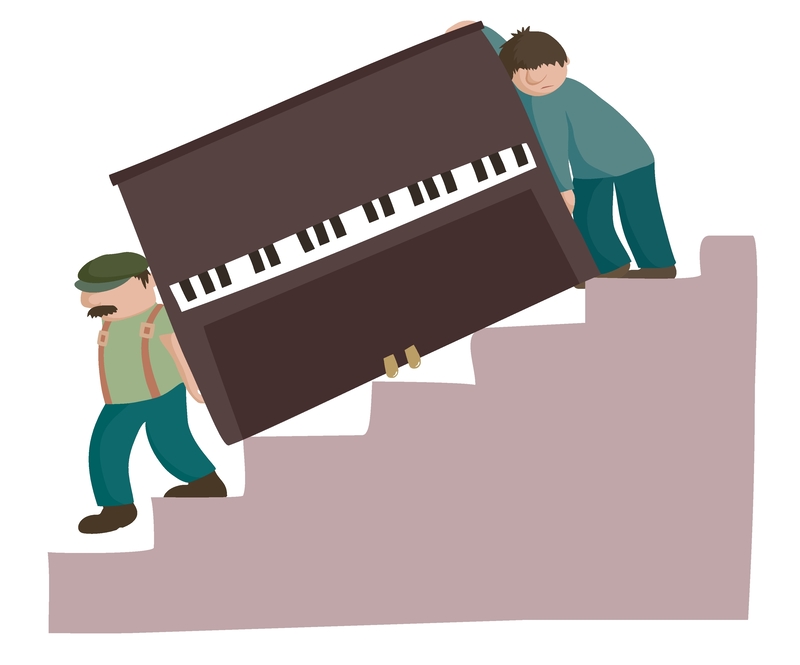
- Special items: Some belongings need experts. For example, large instruments or oversized gym equipment may require a specialist crew. Attempting it yourself can be risky--remember the cautionary lesson found in The Perils of Self-Moving a Piano Explained.
7) Execute, Review, and Course-Correct
- Midpoint audit: Two weeks out, reassess what's left: do you need another donation run or a skip?
- Final sweep: 1-3 days before moving, clear perishables and liquids not allowed in the van. Confirm key handover times.
- Arrival setup: Unpack by priority and room; avoid mixing categories to prevent re-cluttering.
Expert Tips
- Work in sprints: 25-50 minute decluttering bursts with 5-10 minute breaks maintain focus and reduce overwhelm.
- Pre-box donations: Keep a dedicated donate box in each major room during the pre-move period--when it's full, out it goes.
- Use the "shelf test": Would you pay for a shelf to store this item in your new home? If not, let it go.
- Set rules for categories: For example: keep 10 favorite books per person for the bedside, 30 for the main shelf; donate the rest.
- Time-box selling: List items for sale with firm deadlines. Unsold items auto-convert to donate on your cutoff date.
- Digitize documents: Scan and securely store documents you must keep; shred what you don't need. Back up to two separate locations.
- Use the "outbox" method: Keep a temporary outbox for items you're unsure about; if you don't retrieve them within a week, they go.
- Protect your back: Follow manual handling best practice: bend knees, keep load close, avoid twisting. Use trolleys for heavy items.
- Decant before you pack: Consolidate half-used cleaning products (if safe to do so) to reduce liquids. Never mix chemicals.
- Keep children engaged: Give kids a choice among pre-approved items; donate together to teach generosity and reduce resistance.
Common Mistakes to Avoid
- Starting too late: Decluttering takes time. Compressing the process invites errors and panic packing.
- Mixing categories: Packing books with kitchen items slows unpacking and causes re-clutter.
- Ignoring disposal lead times: Charity collections, skip permits, and hazardous waste drop-offs may need scheduling.
- Over-saving "just in case" items: These multiply quickly and bloat your load.
- Underestimating bulky items: Sofas, wardrobes, and instruments may require special equipment or dismantling.
- Forgetting data destruction: Old hard drives and paperwork with personal data need secure disposal.
- Keeping duplicates: Choose the best one and let the rest go.
- Skipping measurements: Ensure large furniture fits in the new home; otherwise, you'll pay to move items you can't use.
- Not labeling boxes clearly: Ambiguous labels increase time and frustration at the new home.
- Overpacking boxes: Heavy boxes risk injuries and breakages. Balance weight with padding.
Case Study or Real-World Example
Scenario: A family of four moving from a three-bedroom semi-detached house to a similar-size property 15 miles away.
Challenge: The homeowners had accumulated 12 years of belongings, including children's items, hobby equipment, and unused furniture in the loft and garage. Their initial removals quote assumed a large lorry plus overflow van and two days of packing.
Decluttering Plan: Over eight weeks, they followed a structured plan:
- Committed to 3 hours per weeknight and 4 hours each Saturday.
- Used a four-way sort and a shared digital inventory list.
- Sold two bikes, a redundant wardrobe, and a second TV; donated 16 boxes of clothing, books, and toys; recycled three broken electronics under WEEE rules.
- Hired a local charity to collect furniture in week 6.
Outcome: They reduced volume by approximately 30%. The removals company revised the quote to a single large vehicle and one packing day. The family saved on labor and vehicle costs, earned income from sales, and cut unpacking time in the new home by half. Most importantly, they reported feeling "in control" throughout--a textbook example of how to elevate your moving experience with decluttering.
Tools, Resources & Recommendations
Use the right tools and partners to keep your pre-move declutter efficient and compliant.
- Planning & tracking: A3 sticky notes, color-coded labels, permanent markers, box numbering; spreadsheet or inventory app to track contents, values, and destinations.
- Packing supplies: Double-walled boxes, wardrobe cartons, dish barrels, bubble wrap, packing paper, tape gun, furniture blankets, stretch wrap, mattress covers.
- Handling & safety: Sack truck/dolly, lifting straps, work gloves, knee pads. For stairs, use stair-climbing trolleys when available.
- Disposal & recycling: Council-run recycling centres for WEEE and hazardous materials; textile recycling banks; certified shredding services for documents.
- Donation routes (UK): National and local charities for furniture, clothing, books, and electricals. Many offer home collection--book in advance.
- Selling platforms: Established online marketplaces and community sites. Use clear photos, measurements, and firm collection windows.
- Storage options: Short-term storage for staged moves; choose facilities with CCTV, climate control if needed, and clear access terms. Avoid long-term storage for "maybe" items.
- Specialist movers: For pianos, safes, fine art, or large aquariums, hire specialists. The risks and potential damage from DIY are significant.
- Digital tools: Scanning apps for documents, cloud backups for data, password managers to reduce paper records.
Law, Compliance or Industry Standards (UK-focused if applicable)
Responsible decluttering and moving in the UK involves observing relevant regulations and best practices:
- WEEE Regulations: Waste Electrical and Electronic Equipment rules govern how electronics are recycled. Use council drop-off points or certified recyclers for TVs, computers, small appliances, and batteries.
- Duty of Care for Waste: Under UK waste regulations, you're responsible for ensuring your waste is transferred to an authorised person (e.g., licensed waste carrier). Keep receipts; ask for a waste carrier number when using private services.
- Hazardous waste: Paints, solvents, certain batteries, and chemicals often require special handling at designated facilities. Don't load them into removals vehicles.
- Charity donations and Gift Aid: When donating to UK charities, you may be able to complete a Gift Aid declaration, allowing the charity to claim an extra percentage on the value of your donation if you're eligible.
- Manual handling guidance: Follow Health and Safety Executive (HSE) advice for lifting and carrying. Keep loads light, hold close to your body, and avoid twisting.
- Fire safety and gas appliances: Transporting certain gas canisters or fuels is restricted. Check with your mover and local regulations.
- Data protection: While GDPR primarily regulates organisations, personally protect your data by shredding documents with sensitive information and securely wiping storage devices.
- Residents' parking and permits: Some councils require parking suspensions or permits for removals vehicles. Arrange these in advance to avoid fines and delays.
Checklist
Use this concise checklist to elevate your moving experience with decluttering in an organised way:
- 8-10 weeks out: Define scope, schedule sessions, order packing supplies, research disposal/donation options.
- 6-8 weeks out: Begin category-by-category decluttering. Start with low-sentiment areas (bathroom, pantry), then books, clothes, kitchen gadgets.
- 5-6 weeks out: List sale items with deadlines; book charity collections; arrange WEEE and hazardous waste drop-offs.
- 4 weeks out: Finalise what's being kept. Measure furniture. Confirm storage needs if any.
- 3 weeks out: Pack non-essentials. Update your removals company with revised volume/weight.
- 2 weeks out: Second donation run; shred documents; back up devices; confirm parking permits and access.
- 1 week out: Pack most rooms; label clearly; prepare essentials kits; confirm move-day schedule.
- 48-72 hours out: Defrost freezer; dispose of restricted items; set aside valuables and important documents for personal transport.
- Move day: Protect floors; keep pathways clear; check every cupboard; perform final meter readings and photo documentation.
- Arrival: Unpack by priority; flatten boxes for reuse or recycling; book post-move charity pickup if needed.
Conclusion with CTA
Decluttering isn't a chore to squeeze in at the end--it's the strategy that makes every other part of your relocation easier, cheaper, and more rewarding. By curating what you own, disposing responsibly, and planning logistics around a leaner inventory, you will elevate your moving experience with decluttering and arrive at your new home ready to live, not just to unpack.
Whether you're a solo mover or coordinating a household, remember: fewer, better belongings produce a faster, safer, and more satisfying move. Use the steps, tools, and compliance guidance above to set a realistic plan and follow through with confidence.
Get a free quote today and see how much you can save.
FAQ
When should I start decluttering before moving?
Begin 6-8 weeks before moving day for average-sized homes, and 10-12 weeks if you're downsizing or have extensive storage areas like a loft or garage. Early action prevents rushed decisions and reduces costs.
How do I decide what to keep versus let go?
Use a combination of utility (used in the last 6-12 months), cost to move vs. cost to replace, sentimental value, and fit for the new home. Keep the best version of duplicates and release the rest.
Is it better to donate, sell, or recycle?
Prioritise selling items with meaningful resale value and a quick sale window. Donate usable goods to reputable charities, and recycle electronics, textiles, and materials that can be diverted from landfill. Set deadlines to avoid last-minute storage of unwanted items.
How can decluttering lower my moving costs?
Most movers price by volume, time, or both. Fewer boxes and smaller furniture loads mean shorter loading times, fewer crew hours, and sometimes a smaller vehicle. You may also avoid a second trip.
What should I do with old electronics and cables?
Follow WEEE guidance in the UK: use council-run recycling centres or certified providers. Wipe devices and remove SIMs/SD cards. If selling, factory reset devices and include chargers to increase value.
How do I handle sentimental items without regret?
Keep representative pieces rather than entire collections. Photograph items you're releasing to preserve the memory. Store high-value sentimental items securely and transport them personally on move day.
Is short-term storage a good idea while decluttering?
Short-term storage can help stagger a move or stage a home for sale. However, treat storage as temporary. Avoid storing "maybe" items long term--review stored contents within 60-90 days.
What's the best way to label boxes?
Label two sides with room, brief contents, and priority (High/Med/Low). Add a unique box number and keep a digital or paper inventory. This speeds loading and targeted unpacking.
Can I move paints, chemicals, or gas canisters?
Generally, no. Many removals companies won't transport hazardous materials. Use designated disposal facilities. Never mix chemicals or transport unventilated canisters in personal vehicles.
How do I declutter with children involved?
Set clear, age-appropriate choices. Create a keep-and-donate game. Schedule short sessions, donate together, and make room for a few treasured items in the new home.
What if I'm on a tight timeline?
Focus on high-impact areas: furniture, wardrobes, kitchen duplicates, and the garage/loft. Book a charity collection and a recycling run immediately. Pack essentials first and batch decisions.
Do I need a specialist for heavy or complex items?
Yes for items like pianos, large safes, and fine art. The risk of injury and damage is high without the right equipment and training--echoing the warning in The Perils of Self-Moving a Piano Explained.
Author Bio: An experienced move coordinator and home organisation specialist, the author has guided hundreds of UK households through streamlined, compliant relocations, with a focus on stress reduction, safety, and cost efficiency.